Korean Perm in Singapore: Types, Cost and Is It Worth It?
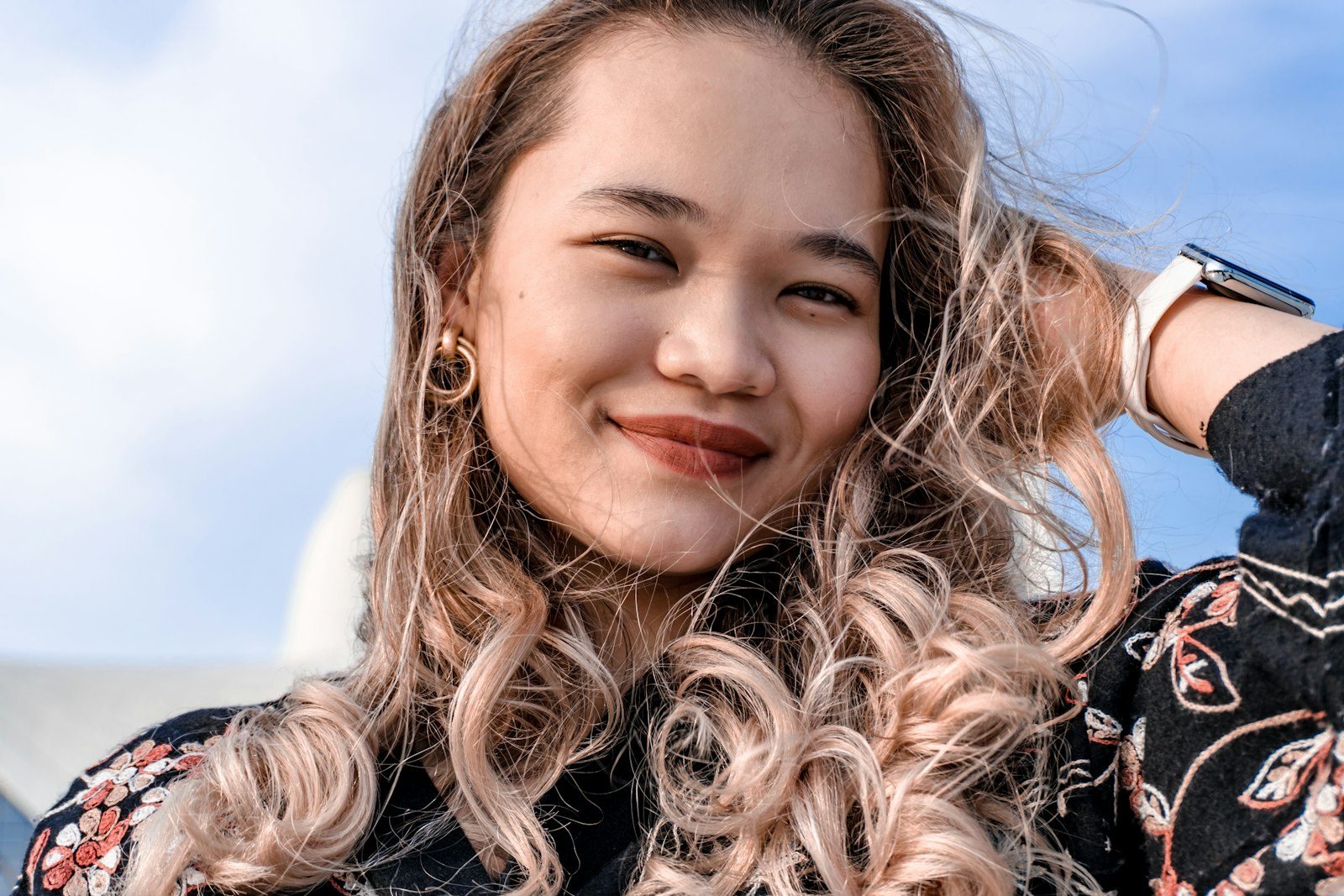
Korean perms have become one of the most-requested services in Singapore — and for good reason. Done well, they turn flat, high-maintenance hair into soft, natural-looking waves that spring back after every wash. But “Korean perm” covers a few different things, and it isn’t right for every head of hair. Here’s the honest guide, from someone who spends all day winding rods and having frank conversations about what your hair can actually take.
Digital vs cold perm — what’s the difference?
Digital (hot) perm: uses heat and rods to create defined, bouncy waves that look their best when your hair is dry. Great for volume and loose curls, and very low-effort to style. This is what most people mean by a “Korean perm.”
Cold perm: no heat — waves are tighter and look most defined when hair is wet, relaxing a little as it dries. Better for a more natural, beachy texture and for finer hair.
There’s also the popular C-curl, which just curves the ends inward or outward — perfect if you only want movement at the bottom, not all-over waves. If you want to see how these sit next to the airy and S-curl looks, our Korean perm styles explained article lines them all up side by side.
Perm types at a glance
If you’re a visual person, this is the quickest way to see which family you’re leaning towards before you even sit in the chair:
| Perm type | The look | Best for | Upkeep | Roughly lasts |
|---|---|---|---|---|
| Digital (hot) | Defined, bouncy waves when dry; relaxes when styled with fingers | Medium to long hair, anyone wanting volume with low daily effort | Air-dry and scrunch; occasional treatment for the ends | 4–6 months |
| Cold | Tighter, more natural texture that reads best when hair is damp | Fine or shorter hair, a beachy undone finish | Curl cream on wet hair; reshape as it dries | 3–5 months |
| C-curl | A single soft flick at the ends, inwards or outwards | Bobs and lobs, first-timers who want polish not “curly hair” | Minimal; a quick blow-under revives it | 3–5 months |
These are honest ranges, not promises — thick, healthy hair holds a wave longer than fine or previously coloured hair. You can read more about matching a curl to your length and lifestyle in our perms guide.
What it costs and how long it lasts
In Singapore, expect roughly $120–$280 depending on hair length and the type of perm; our digital perm starts from $160. A perm typically lasts 4–6 months, loosening gradually rather than dropping out all at once. That slow fade is a feature, not a fault — there’s no harsh line at the roots the way there is with colour, so you’re never forced into a touch-up on a fixed schedule.
Who it suits (and who should wait)
A perm only looks good on hair that’s healthy enough to hold it. If your hair is heavily bleached, over-processed or very damaged, a good stylist will recommend a treatment first — or advise against it. We’d rather talk you out of a perm than damage your hair for a result that won’t hold. Fine, straight and normal hair types tend to perm beautifully.
One honest caveat for our climate: if you’ve had bleaching or a strong colour recently, tell us before we book anything. Perming and lifting are both chemical processes, and stacking them too close together is how hair snaps. We’ll usually space them out or slot in a bonding treatment between.
What to ask for at the salon
The word “perm” alone leaves too much room for interpretation. Bring two or three reference photos of hair a similar length and thickness to yours, and describe three things: how tight (loose and natural, or defined and bouncy), where you want the movement (all over, or ends only), and how you’ll style it day-to-day. If you never touch a hairdryer, say so — we’ll set a curl that looks good air-dried rather than one that needs daily coaxing.
Aftercare: the first 48 hours matter most
- Don’t wash your hair for 48 hours. The curl is still setting — washing early can drop it.
- Don’t tie it up tightly or clip it in that window, or you’ll set creases.
- Switch to sulphate-free, curl-friendly products.
- Scrunch, don’t brush. Use a wide-tooth comb and a little curl cream on damp hair, then scrunch to revive the wave.
- Air-dry or diffuse. Blasting it straight with a normal dryer fights the curl.
More on keeping permed hair healthy in our hair care guide.
Living with a perm in Singapore’s humidity
Our weather is the elephant in every salon. The good news: loose perms actually cope with humidity far better than a straightened blow-dry, which collapses the moment you step outside. Waves have somewhere to go when moisture hits, so they hold their shape rather than falling flat.
The trade-off is a little frizz on the softest styles. Tame it by working a light leave-in cream or curl mousse into damp hair, then leaving it alone — the more you fuss, the frizzier it gets. Book a moisture-focused hair treatment every couple of months to keep the ends from going straw-like, especially if your lengths are long or previously coloured. Sleeping on a smoother pillowcase and refreshing curls with a water spray in the morning also goes a surprisingly long way.
Realistic expectations
A perm is a set of soft, styleable waves — not a permanent, glass-defined curl that looks identical every single day. Some mornings it’ll be loose, some days more defined, and that variation is normal and part of the charm. It also grows out gracefully over four to six months rather than dropping overnight.
Is it worth it?
If you spend time every morning trying to add volume or curl with tools, a perm pays for itself in reclaimed time — and it photographs beautifully. If you love poker-straight hair, it’s not for you. Unsure which type suits your hair? Send a photo on WhatsApp and we’ll tell you honestly what will work.
Considering a fresh cut to go with it? See our Korean haircut service.
Still deciding between digital, cold or C-curl? WhatsApp us two or three reference photos plus a shot of your current length, and we’ll give you a straight answer on what will actually suit your hair before you book a slot.