Men’s Hair Loss in Singapore: Options & Barber Tips
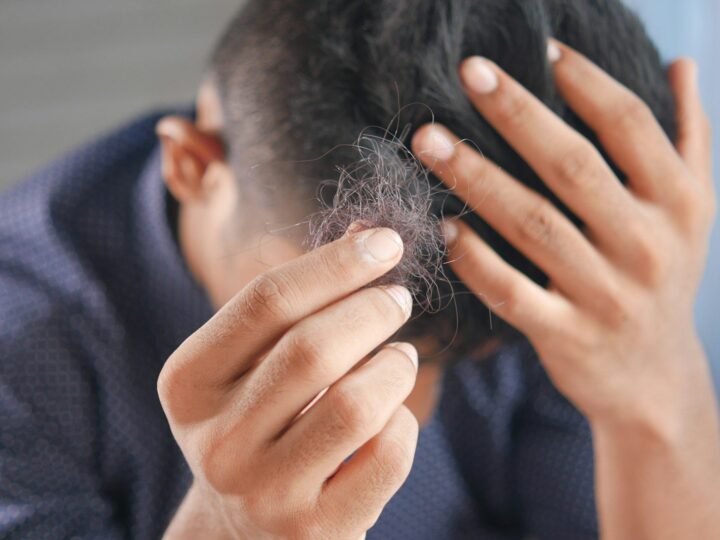
If you’ve spotted more hair than usual on your pillow, in the shower drain, or clinging to your comb, take a breath: this is one of the most common things men bring to us at Orange & Teal, and it’s rarely the disaster it feels like at 7am under the bathroom light. Some degree of hair loss is a normal part of life for a huge number of men, and it doesn’t have to dent your confidence. This honest, non-alarmist guide walks you through what usually causes it, how to spot changes early, the everyday habits that help, the cuts that flatter thinning, and where a barber genuinely helps versus where you’re better off seeing a doctor. No scare tactics, no miracle promises.
One thing up front: we’re barbers and stylists, not medical professionals. Nothing here is medical advice. If you want to actually treat hair loss, the right move is a proper chat with a doctor or dermatologist. What we can do brilliantly is help you look sharp with the hair you have.
What usually causes hair loss in men
By far the most common reason is male-pattern hair loss (androgenetic alopecia). It’s largely down to genetics and how your hair follicles respond to normal hormones over time, and it tends to show up as a receding hairline at the temples, a thinning crown, or both. It’s gradual, it’s inherited, and it affects a very large share of men at some stage. It is not caused by wearing caps, by “washing too often”, or by the usual myths you’ll read online.
Other things can thin your hair too, some of them temporary. Significant stress, illness or a big life event can trigger a phase of shedding a few months later (often called telogen effluvium), which usually recovers. Diet gaps, certain medical conditions, thyroid issues and some medications can all play a part. In our humid climate, a neglected, flaky or inflamed scalp won’t cause pattern baldness, but it certainly doesn’t give hair its best shot. Because the causes differ so much, guessing is a poor strategy, which is exactly why a doctor’s view is worth having if you’re concerned.
Spotting it early (without spiralling)
Everyone sheds hair daily, so losing some strands is completely normal. What’s worth noticing is a change over weeks and months rather than a single bad-hair day. Useful signs to watch, calmly:
- Your hairline creeping back at the temples into a more pronounced M-shape.
- The crown (the swirl at the top-back) showing more scalp, especially under bright overhead light.
- Your usual style needing more effort to look full, or a ponytail/fringe feeling thinner.
- A sudden, noticeable increase in shedding that lasts more than a few weeks.
A simple trick: take a clear photo of your hairline and crown in the same lighting every few months. Memory is unreliable; photos aren’t. If you notice a real change, that’s your cue to see a professional early rather than waiting years, options tend to be more useful the sooner you understand what’s going on.
Everyday habits and scalp care that help
Let’s be honest about what lifestyle can and can’t do: it won’t reverse genetic hair loss, but a healthy scalp and sensible habits give every hair the best environment to grow and look its best. In Singapore’s heat and humidity, that means keeping your scalp clean and balanced. Wash regularly enough to clear sweat, oil and product build-up, use lukewarm rather than scalding water, and don’t scrub with your nails, use your fingertips.
Be gentle. Avoid yanking a comb through wet hair, ease off very tight styles that tug at the hairline, and go easy on harsh, super-frequent bleaching. Manage stress where you can, sleep properly, and eat a reasonably balanced diet with enough protein, hair is built from it. If you’re battling persistent flaking or an itchy, irritated scalp, our guide to men’s scalp care and dandruff in Singapore is a good place to start, and there’s a solid everyday framework in our men’s hair care routine guide too. None of this is a cure, but a happy scalp is a genuinely good foundation.
Cuts that flatter thinning hair
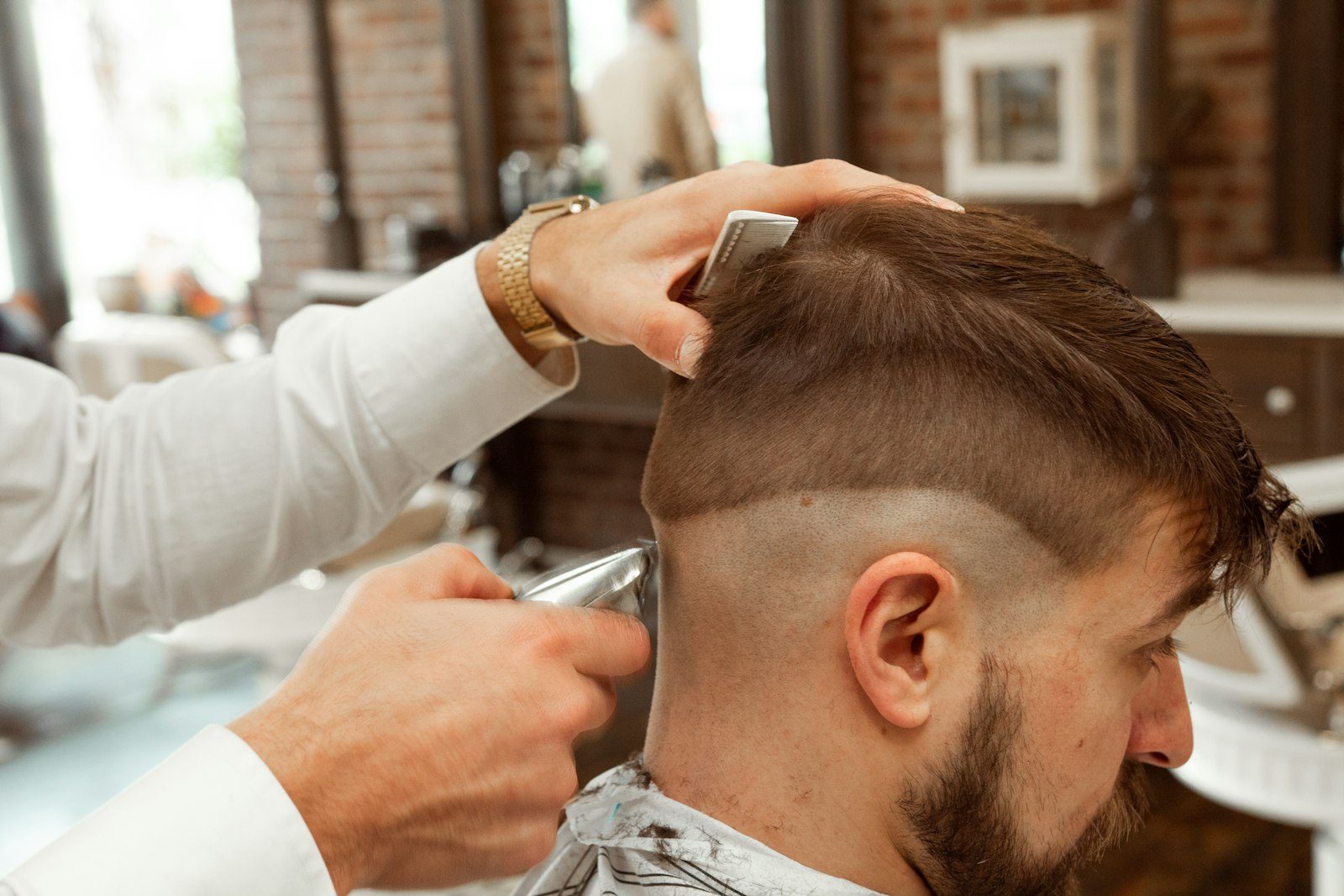
This is where a barber earns their keep, and honestly it makes a bigger day-to-day difference than most products. The counter-intuitive truth: when hair thins, keeping it long to cover the gaps usually backfires. Long strands lie flat, separate, and let scalp shine through. Shorter, textured cuts reduce the contrast between hair and scalp and read as fuller.
Great options include the textured crop with a short forward fringe (brilliant for a receding hairline), a soft taper or fade with a little texture on top, a classic crew cut, or a confident buzz cut when thinning is diffuse. The one thing to avoid is the comb-over, one humid, sweaty afternoon and it collapses, drawing more attention, not less. For a fuller breakdown, see our dedicated guide to men’s thinning hair styles, and if you fancy a smart, low-fuss classic, the Caesar cut with its short forward fringe is a genuinely flattering choice.
An honest look at professional options
You’ll see endless serums, shampoos and gadgets promising regrowth. Some scalp and hair products can help hair look and feel healthier, and that’s worth having, but be sceptical of anything guaranteeing you’ll grow back a full head. If you actually want to treat pattern hair loss, that’s a medical conversation, not a shelf purchase.
The sensible path is to see a doctor or dermatologist. They can confirm what’s driving your hair loss, rule out other causes, and talk you through evidence-based options suited to you. We deliberately won’t name specific drugs, doses or clinics here, because the right choice depends entirely on your individual situation and should come from a qualified professional who has assessed you. What we’ll say plainly: seeing someone early, asking questions, and setting realistic expectations tends to serve men far better than late-night internet rabbit holes.
Styling and where a barber fits in
The table below is a simple way to think about the journey, and it makes clear where we help and where a doctor should take over.
| Stage | What a barber can do | When to see a doctor |
|---|---|---|
| Early, mild thinning | Shorter textured cut, styling that adds body, scalp-friendly routine advice | If shedding is sudden, patchy or worrying you |
| Receding hairline | Textured crop or Caesar with a forward fringe to soften the line | If it’s changing fast and you want to understand options |
| Thinning crown | Texture on top, soft taper, matte products to disguise scalp | For an assessment of pattern hair loss and treatments |
| Diffuse or advanced thinning | Confident buzz or crew cut that looks deliberate and sharp | If you’d like medical guidance on what’s possible |
| Scalp irritation, patches or bald spots | Gentle handling, refer you onward | Promptly, patchy loss and irritation deserve a professional look |
For styling, reach for matte clay or paste over shiny pomades, since a dry, natural finish reads as denser while wet-look product clumps strands and reveals gaps. A quick blow-dry against the grain lifts roots for instant volume, and a light touch of sea-salt spray adds body to fine hair. Go easy on the amount, too much simply weighs everything flat.
Come and talk it through with us
Related guides
If your hair is on your mind, the worst thing you can do is nothing and worry. Come in, show us your hairline and crown, and we’ll give you a straight, judgement-free opinion on the cuts and styling that will genuinely flatter you, and we’ll happily say when a doctor is the better next step. No pressure, no upsell, no fantasy. Have a look at our men’s cut and grooming service or browse our haircuts for ideas first. When you’re ready, WhatsApp us and we’ll find a cut that has you walking out taller. Cut. Style. Belong.