Split Ends in Men’s Hair: Causes & Fixes (SG)
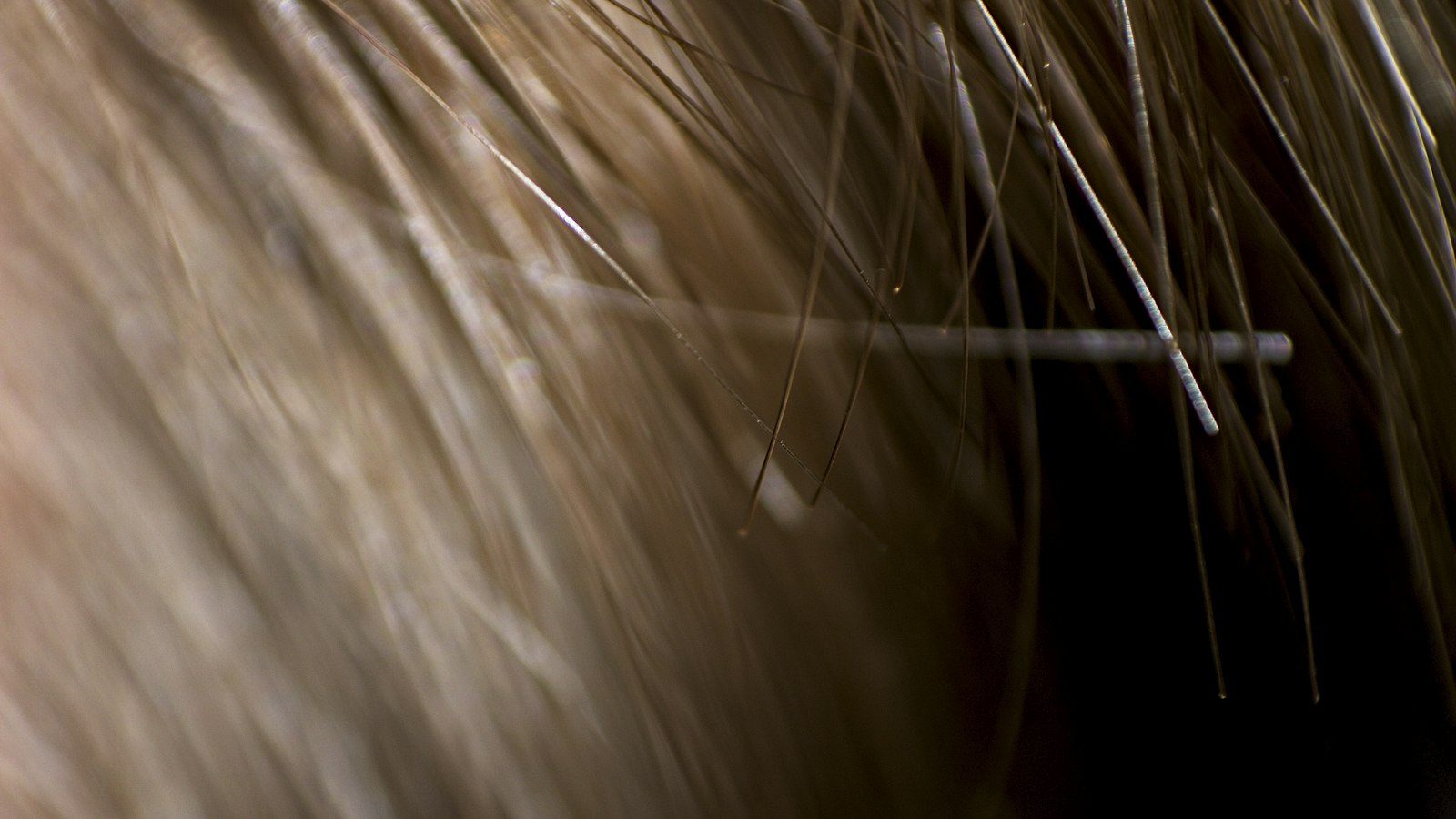
You have grown your hair out, it is finally at the length you wanted, and then you notice it: the ends look dry, wispy, and slightly frayed, like an old rope starting to unravel. Those are split ends, and they are not just a problem for people with long flowing locks. Plenty of men get them, especially once hair passes the buzz-cut stage. The frustrating truth is that once a strand has split, no product can truly glue it back together. But you can understand what causes them, and you can stop new ones from forming. Here is the honest, practical guide for men in Singapore.
What a split end actually is
Each hair is wrapped in a protective outer layer called the cuticle, made of overlapping scales a bit like roof tiles. When that layer stays smooth and intact, your hair feels healthy and reflects light. Over time, though, wear and tear strips those scales away, particularly at the ends, which are the oldest and most exposed part of the strand. Once the cuticle is gone, the softer inner core is left unprotected, and the strand begins to fray and literally splits into two or more pieces. That is a split end. Left alone, the split travels further up the strand, causing more breakage and making your hair look thin and rough at the tips.
The main causes in men’s hair
Split ends rarely come from one thing. They build up from everyday habits that wear the cuticle down. The big three are heat, friction, and dryness.
Heat is a major culprit. Blasting your hair with a hot dryer, or using styling irons, cooks moisture out of the strand and makes the cuticle brittle. If you regularly use heat to style, our guide on heat damage in men’s hair is worth a read. Friction does quiet, cumulative damage: rough towel-drying, brushing or combing aggressively (especially when wet, when hair is at its weakest), and even rubbing against collars, caps, and pillowcases. Dryness is the underlying weakness that lets it all happen. Chemical services like bleaching or colouring raise and weaken the cuticle, and colour-treated hair is more prone to splitting, which is why coloured hair care matters so much. Sun exposure and chlorine from the pool add to the toll.
Why Singapore’s climate plays a part
You might assume our humidity keeps hair moist and protected, but it is more complicated than that. High humidity swells the hair shaft and roughs up the cuticle, and constantly moving between hot, sticky outdoors and cold, dry air-conditioning makes hair expand and contract, stressing the cuticle further. Sweat and frequent washing can strip the natural oils that keep ends supple, and strong tropical sun degrades the strand over time. None of this dooms you to split ends, but it does mean your hair needs a bit more care here than it might in a cooler, gentler climate. A solid men’s hair care routine is your first line of defence.
The honest truth: the only real fix is a trim
This is the part no product advert wants to tell you. Once a hair has split, it cannot be permanently repaired. Serums, oils, and “bonding” treatments can temporarily smooth the frayed ends together so hair looks and feels better, and they are genuinely useful for the appearance, but they do not fuse the strand back into one. The only way to truly get rid of a split end is to cut it off above the split. If you leave it, the split keeps climbing up the strand, and you lose more length and health than if you had trimmed early. For most men, a regular tidy-up every six to eight weeks keeps ends fresh and stops splits from spreading, and it keeps your overall shape sharp too. A visit to our men’s cut and grooming service handles both at once.
How to prevent split ends
Since you cannot repair splits, prevention is where all your effort should go. The good news is that the fixes are simple habits, not expensive products. The table below maps the common causes to what actually helps.
| Cause | Prevention |
|---|---|
| Heat styling and hot drying | Air-dry when you can; use a cooler dryer setting and a heat protectant |
| Rough towel-drying | Gently squeeze and pat dry instead of scrubbing |
| Brushing wet hair harshly | Use a wide-tooth comb; detangle gently from the ends up |
| Dryness and lost moisture | Condition regularly; add a leave-in or light oil on the ends |
| Chemical damage (bleach, colour) | Use bond-repair treatments; keep colour work professional |
| Sun and chlorine | Wear a cap in strong sun; rinse after swimming |
| Infrequent cuts | Trim the ends every 6 to 8 weeks |
Extra care for longer men’s hair
The longer you grow your hair, the more attention the ends need, because the tips of a long strand have simply endured more years of washing, drying, and friction than the tips of a short crop. If you are growing out a fringe, a mid-length style, or man-bun length, be especially gentle. Condition every wash, focusing on the mid-lengths and ends rather than the scalp. Work a small amount of leave-in or lightweight oil through the ends to keep them supple against the humidity. Sleep on a smoother pillowcase if you can, and tie longer hair loosely rather than yanking it into a tight band. And keep those trims regular even while growing out, because a stylist can remove the frayed tips without touching your length, so you keep growing without dragging splits along for the ride. Our full hair care guide has more on maintaining length in this climate.
Keeping your ends healthy
Split ends are not a sign you have failed at hair care; they are the natural result of heat, friction, dryness, and time, all of which our tropical climate nudges along. You cannot glue a split strand back together, but you absolutely can slow new ones down with gentle habits and stop existing ones from spreading with a regular trim. If your ends are already looking frayed and you are not sure how much to take off to keep your length, that is exactly what a good stylist is for. WhatsApp us and we will get your ends healthy without sacrificing the look you are growing towards.