Sun & Your Hair: UV Protection in Singapore

We’re all careful about sunscreen for our skin, but hair and scalp usually get forgotten — and in Singapore, sitting almost on the equator, the sun is strong and overhead all year round. That relentless UV quietly roughs up your hair, burns exposed scalp and fades colour faster than you’d think. You don’t need to hide indoors; you just need a few sensible habits. Here’s a barber’s guide to how our sun affects your hair and scalp, how to spot the damage early, and the simplest ways to protect it.
How Singapore’s sun damages your hair and scalp
Hair is technically dead once it leaves the scalp, which is exactly why sun damage matters — it can’t repair itself the way skin does. UV rays break down the proteins that give hair its strength and the natural oils that keep it smooth. The outer layer, the cuticle, lifts and cracks, and the result is hair that feels dry, rough, brittle and dull, with more frizz and split ends.
Our climate stacks the odds against you. The sun is intense and near-vertical throughout the year, so there’s no gentle season. Add the humidity and sweat that already stress the hair, plus pool chlorine and sea salt on weekends, and unprotected hair takes a real beating. Longer hair suffers most because the ends are oldest and get the most cumulative exposure, but even short crops leave the scalp fully exposed to the sun.
This is the part men most often overlook. Your scalp is skin, and it can burn just like your nose or shoulders — especially along a parting, on a thinning crown, or all over if you keep your hair very short or shaved. A sunburnt scalp is sore, tight and flaky as it peels, and repeated burning over the years is genuinely bad for your skin’s long-term health.
If you’ve got a fade, a buzz cut or a receding hairline, your scalp is on the front line every time you step outside. The walk to the MRT, lunch outdoors, a football kickabout, a day at the beach — it all adds up. Protecting your scalp isn’t vanity; it’s basic skin care. If your scalp is already sensitive or flaky, our scalp care guide is a good companion to this one, and persistent soreness or unusual changes are worth showing a doctor.
Signs your hair is sun-damaged
Sun damage creeps up gradually, so it helps to know what to watch for. Keep an eye out for:
- Dryness and roughness that no amount of conditioner quite fixes, especially towards the ends.
- Dullness — hair that’s lost its natural shine and looks flat.
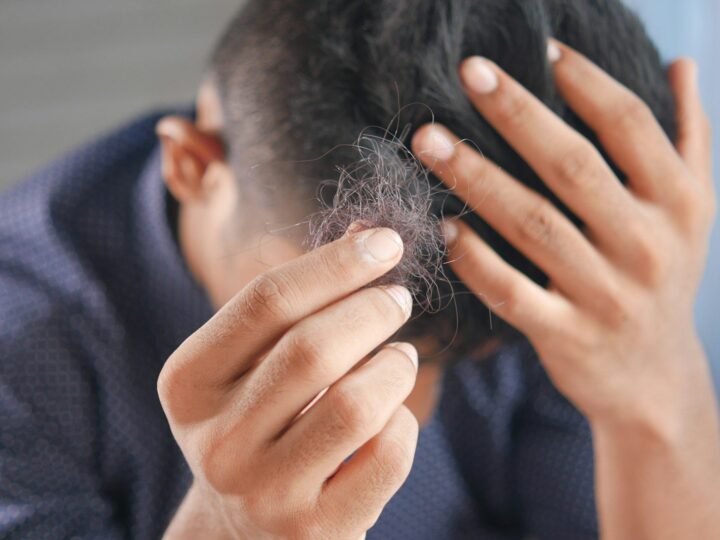
- Brittleness and breakage, with more short broken hairs and split ends than usual.
- Frizz that’s got noticeably worse, as the roughened cuticle catches the humidity.
- Faded colour — dyed hair going brassy or washed-out, and even dark natural hair lightening slightly at the tips.
- A tight, flaky or peeling scalp after time outdoors.
Spot these early and a bit of protection plus some moisture usually turns things around. Leave it, and you end up cutting damaged length off instead.
Hats, products and SPF for your scalp
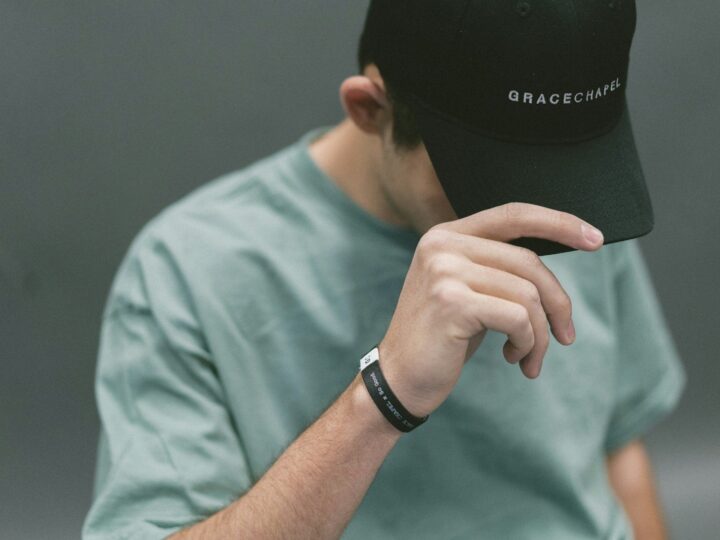
Protection comes in layers, and you can mix and match to suit your day. The simplest and most effective is physical cover: a cap or a wide-brimmed hat shades both hair and scalp instantly. For a long day outdoors, a proper brim beats a cap because it shades your ears and neck too.
Next come UV-protecting hair products — leave-in conditioners and sprays with UV filters that coat the strand and slow the damage, handy on beach and pool days. For your scalp, you can use an actual SPF: a spray or lightweight sunscreen made for the scalp and parting, or simply your normal sunscreen worked along an exposed parting and any thinning areas. Men with shaved heads should treat the whole scalp like any other exposed skin and apply sunscreen properly. Don’t forget the practical stuff either — rinse off chlorine and salt after swimming, and keep the ends conditioned so they’re more resilient in the first place; our conditioner guide covers how.
Matching protection to the risk
Different situations call for different cover. Use this as a quick reference for how much protection each scenario really needs:
| Risk | Protection |
|---|---|
| Daily commute and errands | A cap on sunny stretches; a UV leave-in if you’re out a lot |
| Exposed scalp (parting, thinning, shaved) | Sunscreen or scalp SPF along the parting and crown; a hat for longer spells |
| Beach or pool day | Wide-brimmed hat, UV-protecting leave-in, rinse hair before and after swimming, scalp sunscreen |
| Coloured or bleached hair | Hat plus a colour-safe UV leave-in; avoid midday sun on fresh colour |
| Outdoor sport | Cap or sweatband, water-resistant scalp sunscreen, rinse and condition afterwards |
| Long dry or damaged ends | Leave-in with UV filters, regular conditioning, and a trim to remove the worst of it |
Protecting dyed and coloured hair
If you colour your hair, the sun is one of your biggest enemies. UV fades pigment fast, turning rich brunettes brassy and washing lighter or fashion shades out well before they should go. Bleached and lightened hair is doubly vulnerable because the process already lifts the cuticle, so the sun gets in more easily.
The fixes are straightforward: wear a hat when you can, use a colour-safe leave-in with UV protection, and try to keep fresh colour out of harsh midday sun for the first week or two while it settles. Rinse chlorine and salt out promptly, since both accelerate fading on top of the sun. A weekly moisture mask keeps coloured, sun-exposed ends from drying out and looking dull. There’s a full routine in our coloured hair care guide if you want to go deeper — it pairs naturally with sun protection.
Building sun sense into your routine
You don’t need to overhaul your life — just fold a few habits into what you already do. Keep a cap by the door and a UV leave-in in your bag. Work sunscreen along your parting on days you’ll be out. Rinse and condition after swimming or a sweaty session — our gym and sweat notes help here — and use the right styling products so you’re not baking heavy, sticky product onto sun-stressed hair. Tie it all into a steady hair care routine and protection becomes automatic rather than a chore. A regular trim also removes the driest, most damaged ends before the frizz spreads up the strand.
When to get it looked at
Most sun-stressed hair recovers with cover, moisture and a tidy-up. But your scalp deserves the same attention you’d give any skin. If you notice a spot on your scalp that won’t heal, a mole or patch that’s changing, or a persistently sore, scaly area, please see a doctor or dermatologist — that’s medical territory, not something a barber’s routine should be managing. Likewise, if you’re worried about ongoing hair thinning or a stubbornly irritated scalp, a doctor or trichologist can give you a proper answer.
Want us to check the condition of your hair and scalp, or freshen up sun-tired ends? Book a men’s cut and grooming visit, have a look through our wider grooming guide, or just WhatsApp us and we’ll sort you out.