The Disconnected Undercut for Men (Singapore)
Walk into our shop in Bedok and ask for a disconnected undercut, and the first thing we’ll do is make sure you actually mean disconnected, not just short on the sides. It’s one of the boldest men’s cuts we do, and it’s also one of the most misunderstood. The word “disconnected” is doing all the heavy lifting here, so let’s slow down and unpack what it really means, who it flatters, and how to keep it looking sharp in the Singapore heat. By the end you’ll know exactly what to say at the chair.
What “Disconnected” Actually Means
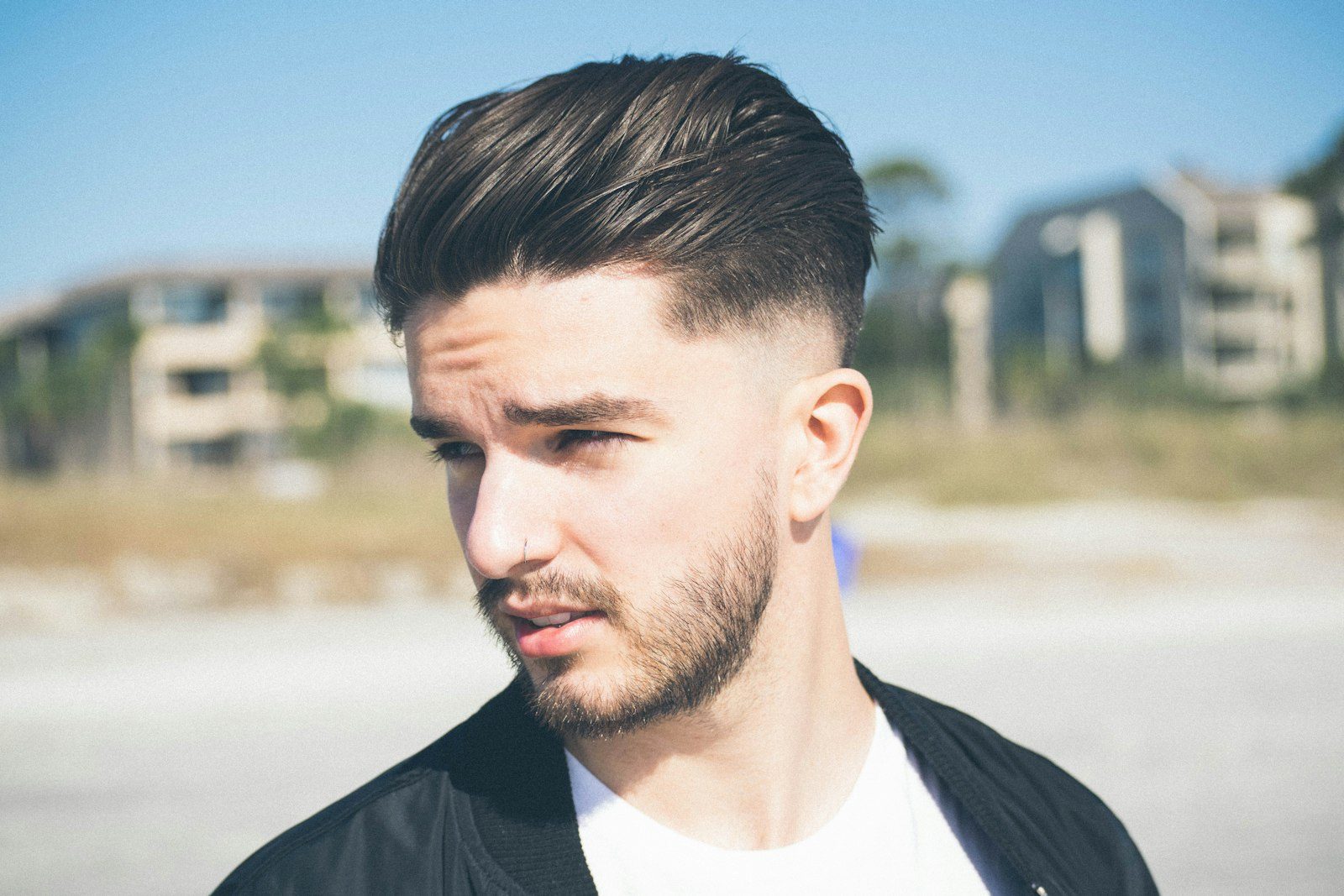
In barbering, a connected cut has a gradual transition. The hair fades or tapers so that the short sides blend smoothly up into the longer top. Your eye can’t find the exact line where short becomes long. A disconnected undercut throws that blend out the window. The sides and back are clipped down to one short length, the top is left long, and there is a hard, deliberate step between them. No graduation, no blending, no fade softening the join. It’s a visible cliff edge, and that contrast is the whole point.
Think of it this way: a normal undercut whispers, a disconnected one announces. The sudden jump from, say, a grade 1 on the sides to five or six centimetres on top creates drama that a blended cut simply can’t match. If you like the idea of a look that reads as intentional and a little rebellious, this is your cut.
Disconnected vs a Normal Undercut
People use “undercut” loosely, so it helps to be precise. A standard undercut already has short sides and a longer top, but most modern versions include some kind of taper or fade to ease the transition. If you’re still deciding between styles, our guide to the undercut for men in Singapore and the rundown of fade types are worth a read before you commit. For an even edgier option, browse our mohawk and faux hawk styles.
The disconnected version removes the middle ground entirely. Where a faded undercut gives you a soft gradient, the disconnected cut gives you a clean two-level shelf. This makes it easier to style dramatically, but it also means there’s nowhere to hide. There’s no blend to camouflage an awkward grow-out, so upkeep matters more, which we’ll get to.
Who Suits a Disconnected Undercut
Honestly, this cut rewards confidence more than any particular face shape. That said, a few things help. Thick, straight or wavy hair holds the length on top beautifully and gives you plenty to style. Finer hair can work too, but you’ll lean harder on product to keep volume. The strong contrast tends to lengthen a rounder face and add structure to softer features, which many of our Singaporean clients appreciate.
Consider your lifestyle honestly. If you’re in a corporate role with conservative expectations, a disconnected undercut worn slicked back can still read as smart. If your workplace is relaxed, you’ve got even more freedom to play. The one group who should pause: anyone who won’t come in regularly, because this cut looks its best when the sides are kept crisp.
Styling It: Slick Back, Quiff or Textured Top
The magic of the disconnected undercut is versatility on top. The same haircut can carry three completely different moods depending on how you dress it. Here’s how the top styling changes the whole look.
| Styling on top | The look it creates |
|---|---|
| Slicked straight back | Sharp, polished and grown-up; the most formal option, great for the office or an evening out |
| Voluminous quiff | Classic, confident and retro-leaning; height at the front for a bold statement |
| Textured and tousled | Relaxed, modern and low-effort in appearance; messy in a deliberate, styled way |
| Side-swept with a hard part | Structured and clean; the disconnection reads as intentional and tidy |
| Slicked back with the sides showing | The most dramatic; maximum contrast between the shelf and the length |
For a slick back you’ll want a pomade or a strong-hold cream worked through damp hair, then combed straight back. For a quiff, blow-dry the front upwards for volume before locking it in. For a textured finish, a matte clay or paste scrunched through towel-dried hair does the job without looking greasy, which is a blessing in our humidity. If you’re unsure what to buy, our overview of men’s hair styling products in Singapore breaks down what actually holds up in the heat.
Owning the Boldness
Let’s be straight with you: this is not a subtle haircut. The disconnection is a design feature, and the whole thing falls flat if you try to soften it or hide the short sides all day. The clients who love their disconnected undercut are the ones who lean into it. Wear the contrast with intent. Keep the top styled rather than flat, because a disconnected top left limp can look accidental rather than chosen.
If you want the drama without going full disconnect, we can dial in a slightly cleaner version, or point you toward the other looks trending among younger men in our roundup of men’s hair trends for 2026. But if you’ve come this far, chances are you want the bold one.
Upkeep in the Singapore Climate
Here’s the honest part. Because there’s no blend, the sides grow out visibly and quickly. Once the short sides push past a couple of weeks, the crisp shelf starts to look fuzzy and the contrast softens. Most of our clients come in every two to three weeks for a sides tidy, keeping the top longer between fuller cuts. If you’re the sort who likes to stretch things out, this may not be your cut, and our thoughts on how often you should get a men’s haircut may steer you elsewhere.
Day to day, our sticky weather is your enemy and your friend. Sweat and oil will drag down a slicked style by mid-afternoon, so carry a small comb and consider a matte product that revives with a quick rework. Wash out heavy product at night so your scalp stays healthy. Keep the sides sharp and the top conditioned, and a disconnected undercut will turn heads for the right reasons.
Ready to go bold? Our barbers will talk through the length, the contrast and the styling that suits your hair and your routine before a single clipper touches your head. Men’s cuts start from $40. Book your chair at Orange & Teal in Bedok, or WhatsApp us and we’ll sort you out.